Ikea - This Is What Offline Feels Like
A concept campaign showing IKEA as the place where life finally slows down, celebrating small, quiet, human moments no screen or algorithm can replace.
Where It started
The idea grew out of something I kept noticing around me: people were getting good at living efficiently, but worse at actually resting. Even at home, the pace didn’t really slow down. It felt like the one place that should give us a break was slowly turning into an extension of everything outside. I wanted to build a campaign that reminded people what home is supposed to feel like.
What I wanted to build
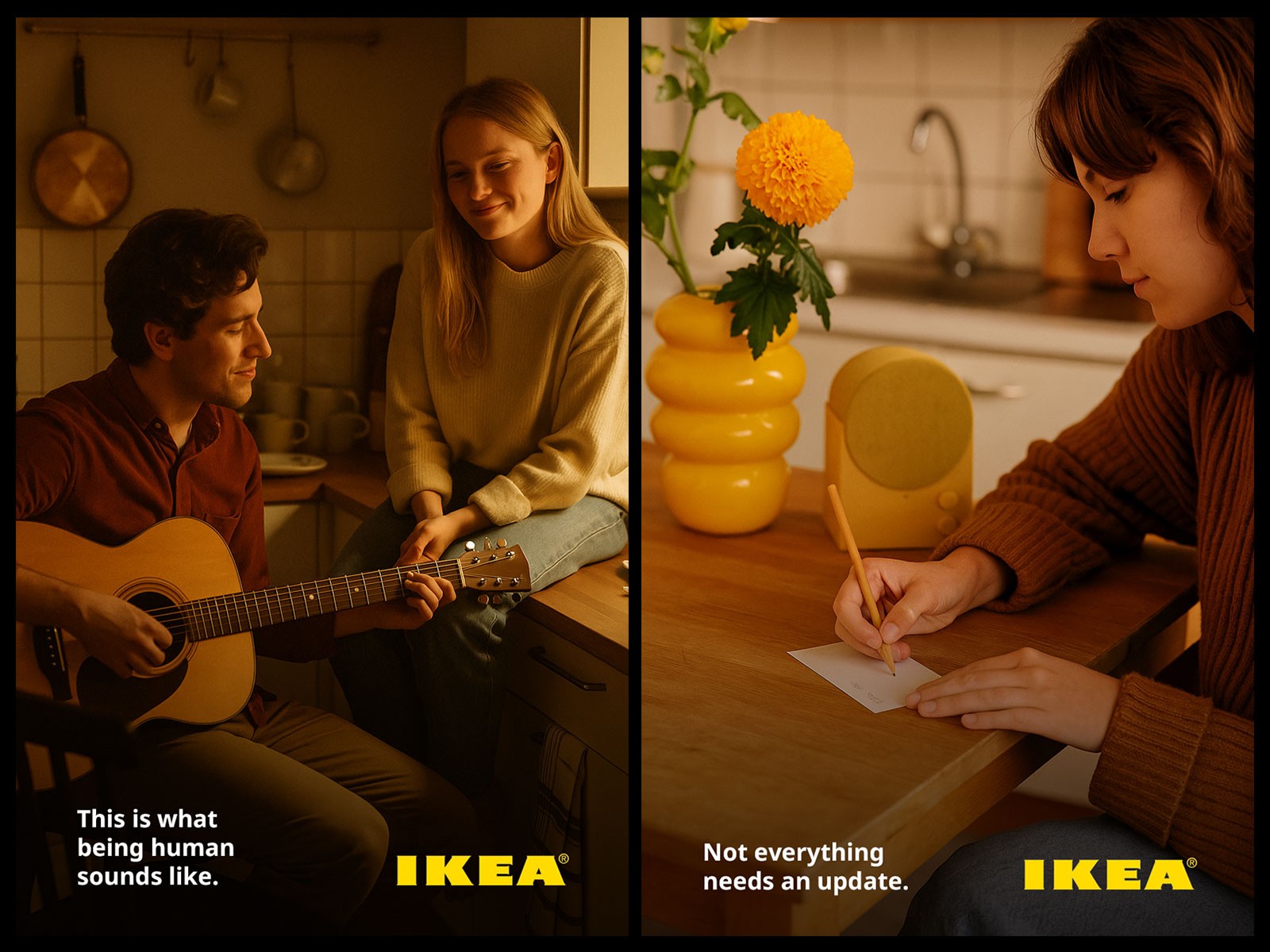
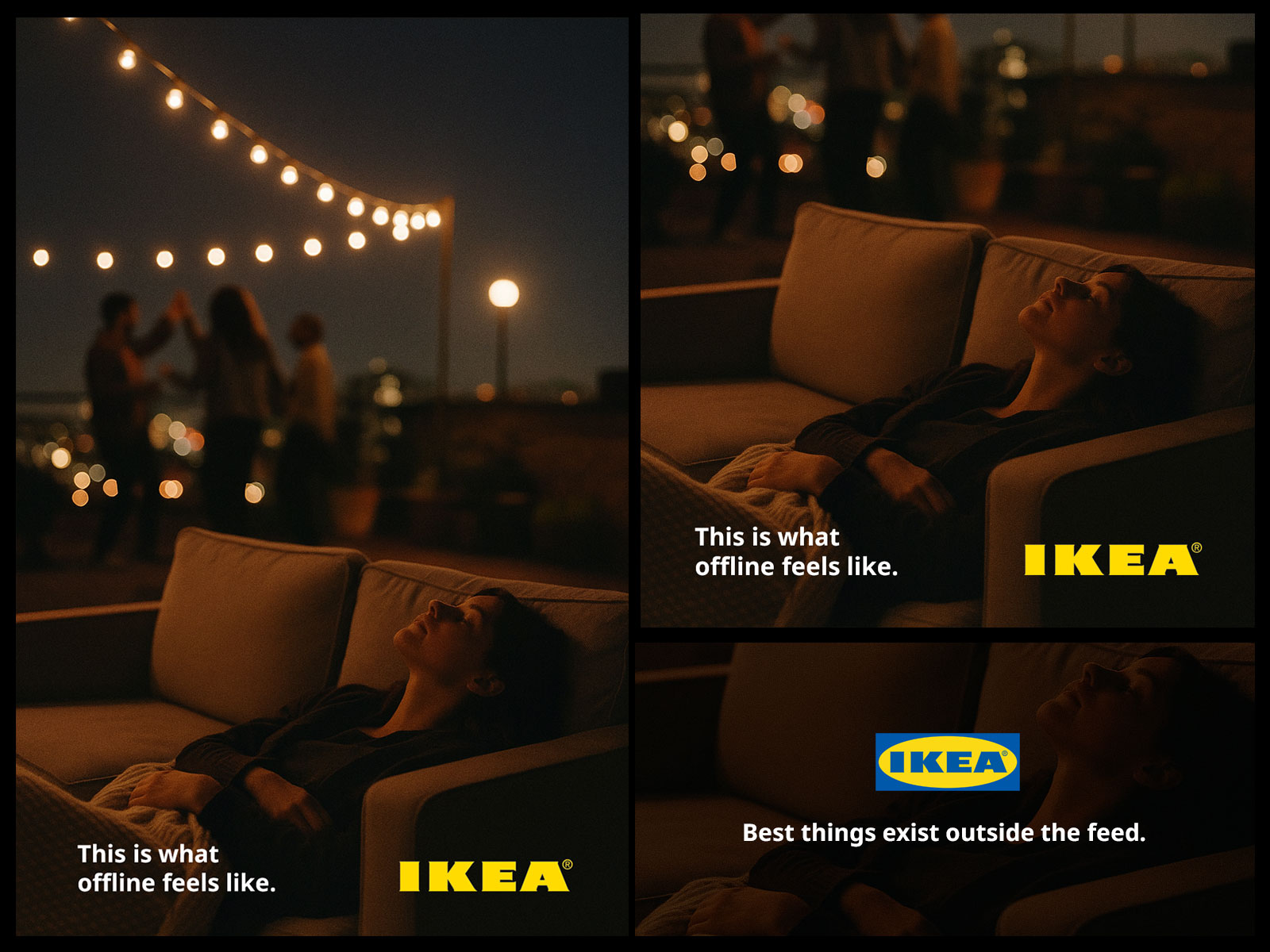
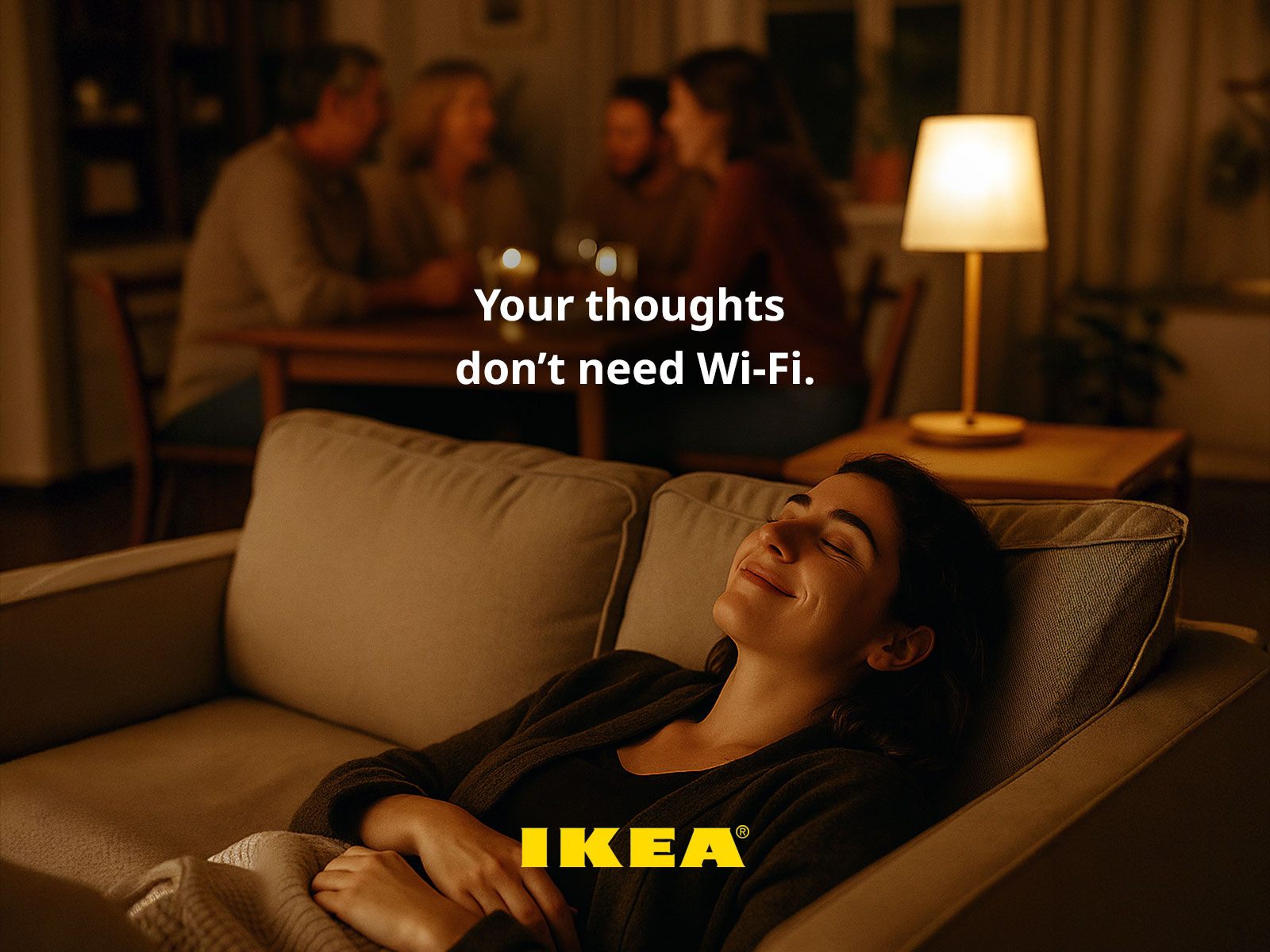
My goal wasn’t to show perfect interiors or staged lifestyle scenes. Instead, I wanted to capture the small, honest moments that happen when nobody próbuje niczego udawać. A quiet breath after a long day. Someone zoning out on the sofa. A warm kitchen full of half-finished conversations. The idea was simple: show the kind of comfort you can’t download, scroll through, or automate.
What I learned along the way
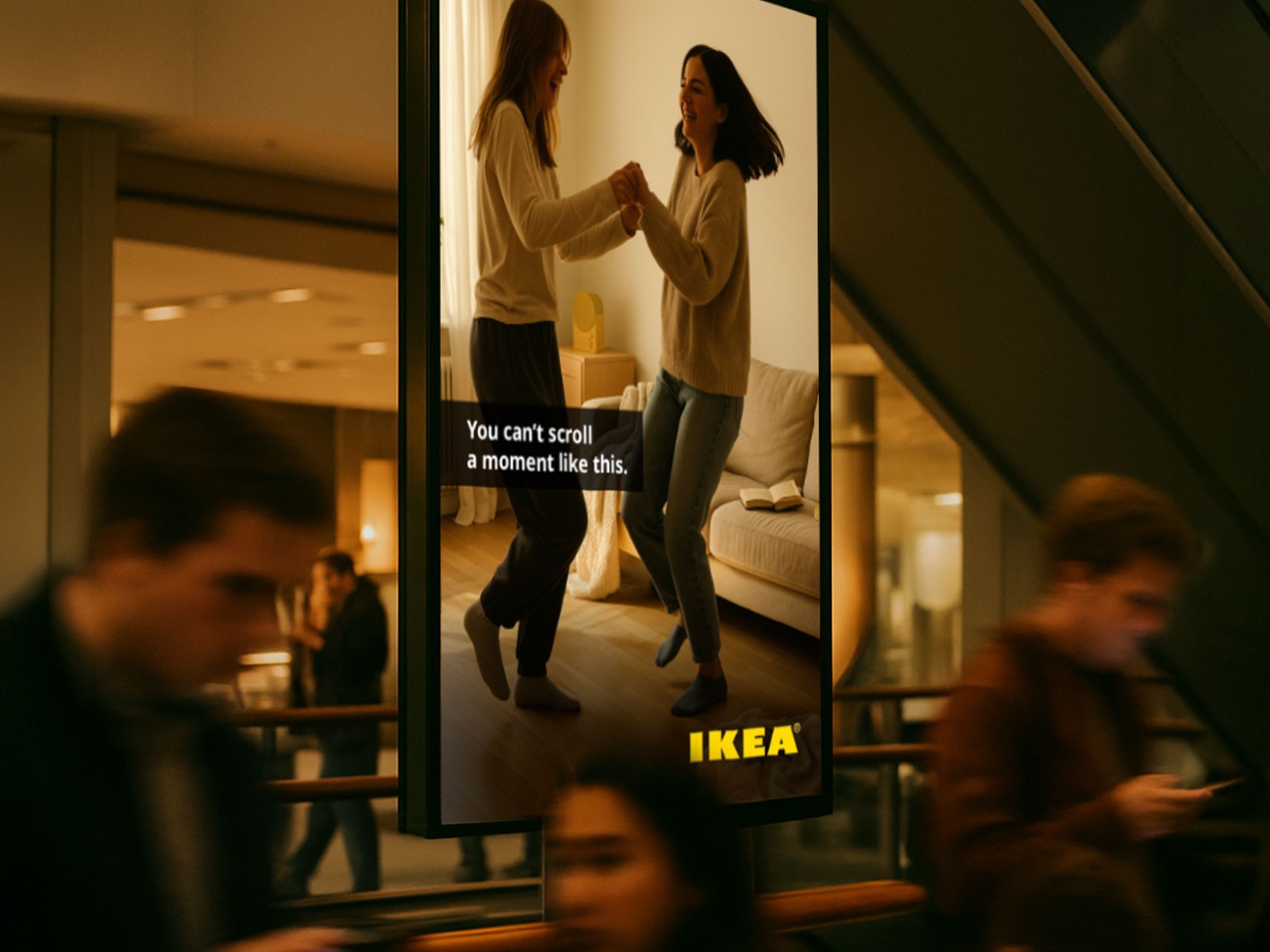
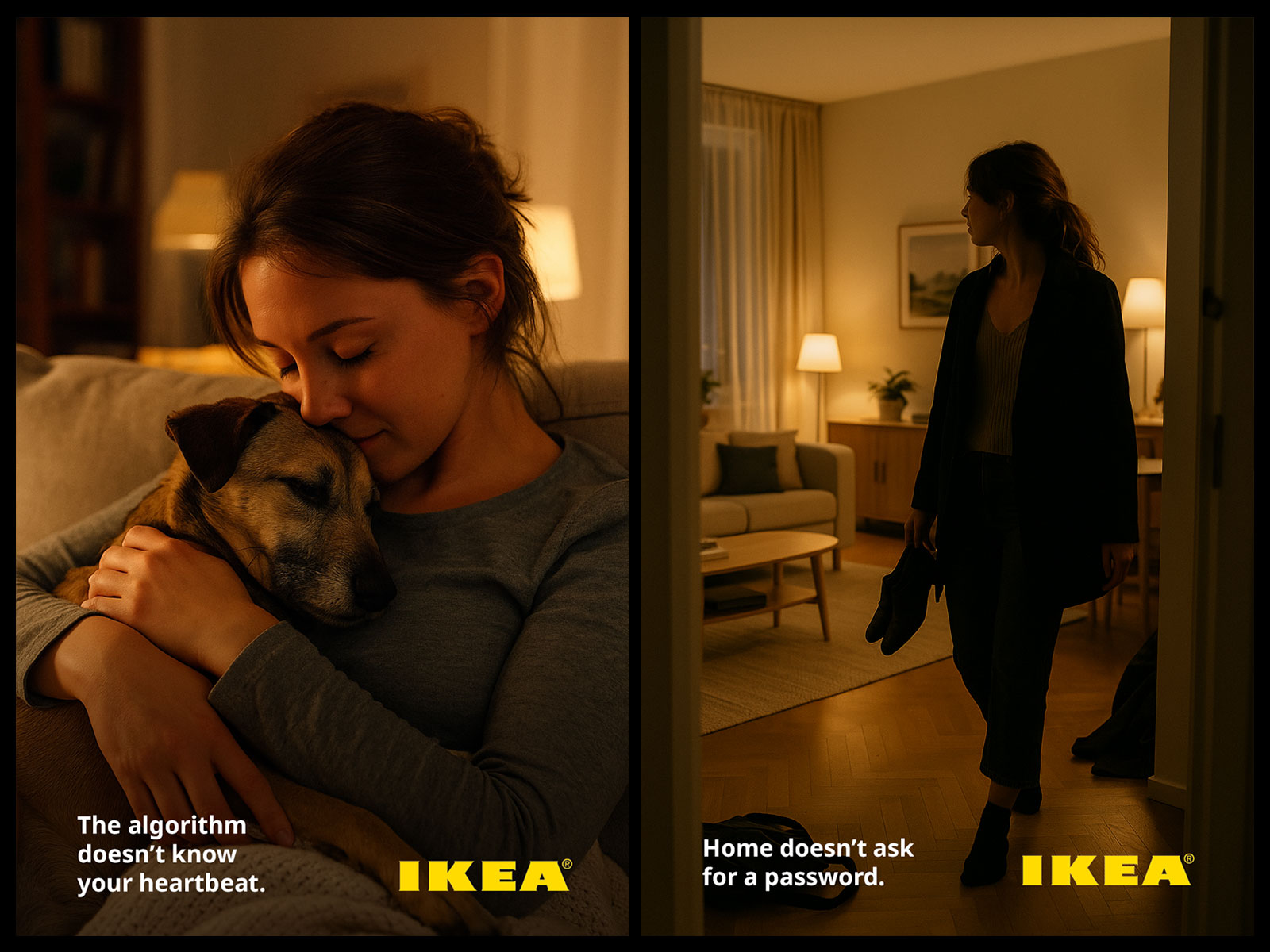
Instead of building perfect interiors, I spent time finding situations that felt honest. Someone coming home late and dropping into a chair. A family talking over dinner. A quiet moment on the sofa with your eyes closed. Nothing staged. Nothing too clean. Warm lamps, real shadows, grain, tiny imperfections - the things that make a scene feel lived in. IKEA’s products appear naturally in these moments, not as a centerpiece, but as part of the background of everyday life. That was the point.
What the work changed
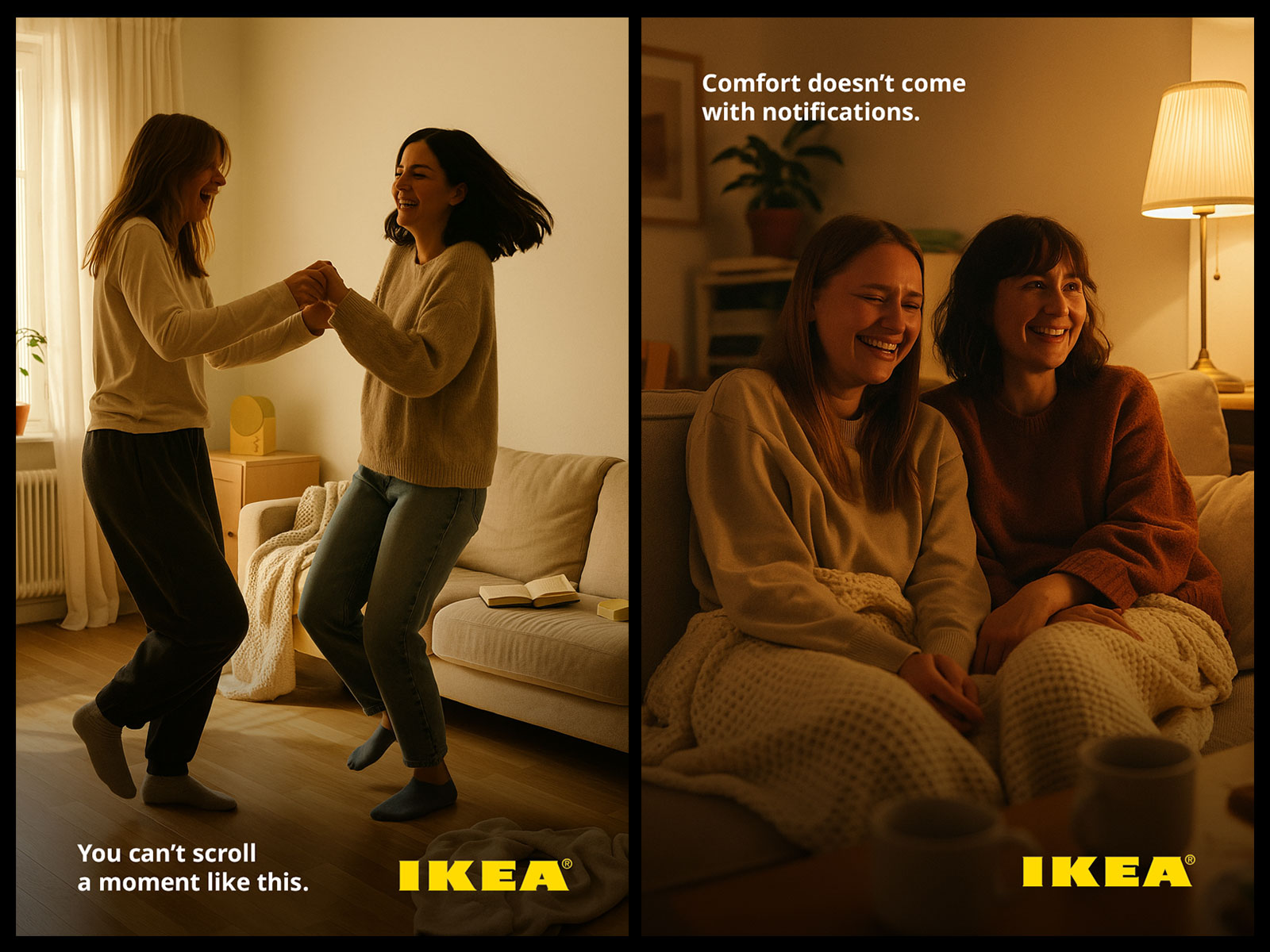
The design followed the same rule: keep it quiet. Let the images breathe. Let the emotion carry the work. It was less about “creating a campaign” and more about catching something people already understand but rarely see reflected back at them.The final campaign shifted the focus from products to the experiences around them. Viewers connected with the sincerity of the scenes — the warmth, the stillness, the sense of time slowing down for a moment. It strengthened IKEA’s position as a brand that understands real life, not just trends or aesthetics. Most importantly, it reminded people of something they already knew deep down: the best moments usually happen when nothing special is happening at all.